Comparing Organic Mattress Options: Naturepedic vs Sleep and Beyond in Hypoallergenic Sleep
A neutral, evidence-based guide for allergy-conscious shoppers seeking objective criteria when evaluating organic mattresses. We explore core materials, certifications, and allergen-management technologies, with an eye toward independent decision frameworks that help readers choose healthier sleep surfaces without promotional bias.
Framing the landscape: hypoallergenic sleep and mattress technology
Sleep is a daily act of vulnerability to our environment. For individuals with allergies, asthma sensitivity, or chemical sensitivities, the choice of a mattress is more than comfort—it is a statement about indoor air quality, chemical exposure, and long-term respiratory health. The hypoallergenic mattress category often centers on three pillars: core material integrity, protective encasements, and finishes that resist dust mites, mold, and VOC emissions.
In this comparison, we focus on two brands that frequently surface in consumer discussions among allergy-conscious households: Naturepedic and Sleep and Beyond. Naturepedic has built a reputation around organic cotton, wool, and latex components with a strong emphasis on GOTS and other environmental certifications. Sleep and Beyond, meanwhile, emphasizes organic cotton fabrics, wool-filled or latex-infused cores, and encasement technologies that balance protection with sensory comfort.
Independent evaluation of mattresses for hypoallergenic performance requires a careful look at certifications, washability, and allergen-control features. The aim is to provide readers with a framework to compare materials—organic cotton, latex, wool, and encasement technologies—without succumbing to marketing claims. The following sections unpack key attributes that influence sleep health and allergen exposure.
Core materials: cotton, latex, wool, and encasement technologies
Organic cotton is a common thread in hypoallergenic mattresses due to its natural fiber properties and the ability to source GOTS-certified fabrics that reduce chemical finishes. A mattress shell made from organic cotton jersey or sateen can contribute to a breathable, pH-friendly sleep surface. Material choices for the core—such as natural latex or wool—bring different allergen-management profiles. Latex, particularly Dunlop or Talalay variants, is naturally resistant to dust mites when processed and encased, while wool provides temperature regulation and a degree of natural allergen resistance.
Encasing products—mattress encasements and top covers—serve as an essential barrier against dust mites, pet dander, and mold spores. Encased cores, combined with breathable, hypoallergenic shell materials, can significantly reduce the exposure pathway for common bedroom allergens. GREENGUARD Gold and GREENGUARD certifications, along with GOTS and GOLS where applicable, offer measurable benchmarks for chemical emissions and material integrity.
The net effect is a layered defense: a core that minimizes allergen generation, protective encasements that block exposure, and carefully selected textiles that balance comfort with hygiene.
Independent criteria-based decision frameworks
When evaluating options, readers can use a structured decision framework that considers:
- Certifications: Look for GOTS (organic textiles), GOLS (organic latex), GREENGUARD Gold (emissions), and Made Safe certifications where relevant.
- Allergen management: Assess mattress encasement pore size, fabric breathability, and core materials known for dust mite resistance.
- Care and maintenance: Evaluate washability and long-term hygiene practices to sustain a hypoallergenic environment.
- Durability and comfort: Consider loft, support, and heat regulation across seasons, which affect sleep quality and symptom management.
In a non-commercial context, these criteria become a practical compass rather than a shopping list. Readers can compare product specs, independent reviews, and credible research summaries to determine which mattress aligns with their health priorities and sleep preferences.
Case studies: historical timelines of three key figures shaping hypoallergenic sleep ideas
Across centuries, three influential figures—each from a distinct era—signal the evolution of thinking about sleep comfort, material science, and health-conscious design. Their ideas, reframed for contemporary needs, illuminate the enduring tension between comfort, cleanliness, and science.
1) Florence Nightingale (19th century)
Florence Nightingale, renowned for pioneering sanitary reform, reminds us that a clean, well-ventilated sleeping environment is foundational to health. While she did not study hypoallergenic materials, her emphasis on hygiene and public health foreshadowed modern standards for cleanliness in household textiles. In the hypoallergenic mattress discourse, her legacy manifests as the broader principle that durable hygiene practices—washable covers, proper bedding care, and fabric awareness—are essential to reducing environmental allergens at home.
2) Albert Einstein (20th century, scientific rigor applied to everyday life)
Einstein’s methodological insistence on simplifying complex phenomena through theory and experiment resonates with how we approach mattress evaluation today. This lens encourages readers to separate marketing narratives from empirical evidence. By focusing on testable claims—certifications, material properties, and independent studies—we can form a more informed judgment about which mattresses deliver true hypoallergenic benefits rather than surface-level assurances.
3) Margaret Mead (20th century, cultural observation informing health practices)
Mead’s explorations of domestic life and daily routines illuminate how sleep environments intersect with culture and habit. Her worldview encourages us to consider how bedding choices, laundering practices, and environmental controls fit into a family’s routine. In the context of hypoallergenic sleep, Mead’s perspective invites readers to adapt care rituals—washing schedules, pillow protection, and seasonal textiles—to fit real-life needs while preserving allergen control and comfort.
Product spotlight: Hypodown Bed – Best for elevating your mattress with breathable, full-body comfort
Product overview
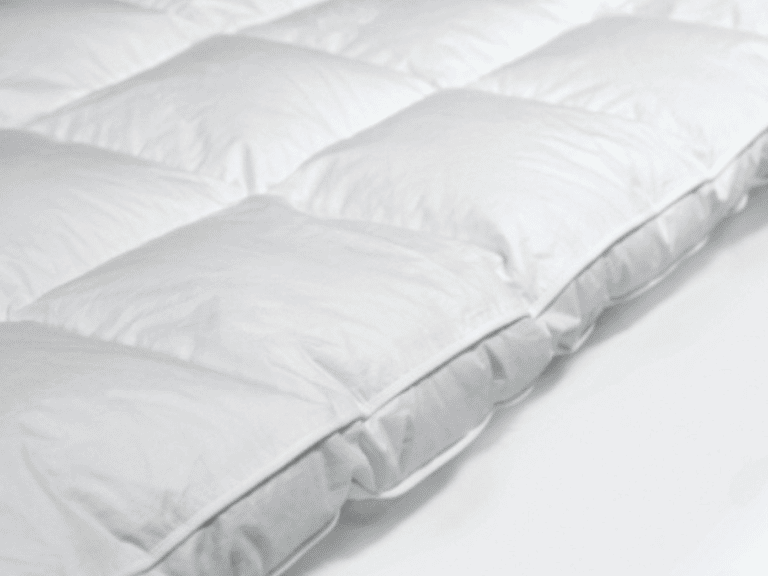
Hypodown Bed by Ogallala Comfort Company represents a premium layering option for an elevated, breathable sleep surface. The bed uses Hypodown fill power in a baffled box construction to deliver even loft and steady support, enclosed in a pearl white cambric cotton shell. Fill-power options include 600, 700, or 800, allowing customers to tailor warmth and loft to their sleep needs.
Key features:
- Fill: 70% white goose down / 30% milkweed fiber
- Shell: Pearl white cambric cotton
- Construction: Baffled box with a 3-4 inch gusset
Note: This product is featured for illustrative purposes in the context of hypoallergenic materials and is not a sponsored endorsement within this article.
The Hypodown Bed demonstrates how premium natural fills can balance loft, breathability, and warmth. For allergy-conscious sleepers, the blend of goose down with milkweed fibers can offer a hypoallergenic performance profile, provided the outer shell and encasement maintain robust barrier properties against dust mites and moisture ingress. Reviews and care guidelines emphasize professional or careful domestic laundering, patching potential concerns with encasements and protective covers.
In the broader comparison between Naturepedic and Sleep and Beyond, this spotlight highlights one pathway to elevated comfort without sacrificing hygiene. Readers should weigh fill-power options, enclosure materials, and washability when assessing whether an upgrade aligns with their allergen-management goals.
Direct comparisons: Naturepedic vs Sleep and Beyond through the lens of independent criteria
Naturepedic often emphasizes certifications, organic fabrics, and materials that reduce chemical exposure. Its product lines frequently incorporate organic cotton shells, wool layers, and latex components, all with an eye toward environmental responsibility and health safety. Sleep and Beyond tends to foreground breathable fabrics, wool batting, and natural-latex cores, with a strong emphasis on washability and long-term durability.
Naturepedic: strengths and considerations
- Strong emphasis on organic textiles and certifications (GOTS, GREENGUARD Gold)
- Protective encasements and breathable cores designed to minimize allergen exposure
- Transparent labeling of finishes and materials; emphasis on chemical-free construction
Care considerations: verify specific finish chemicals and ensure encasements match mattress depth for effective barrier performance.
Sleep and Beyond: strengths and considerations
- Breathable shell fabrics with wool or latex cores for temperature regulation
- Focus on washable, user-friendly components and durable construction
- Emphasis on natural materials and transparency in sourcing
Care considerations: examine encasement pore sizes and washing guidance to maintain allergen barriers over time.
When choosing between these brands, readers should prioritize a mattress that integrates an allergen-reducing core with encasement-layer protection and easy maintenance. A non-commercial framing that centers on independent research and credible certifications helps readers compare apples to apples and avoid marketing-driven conclusions.
A practical checklist for evaluating organic mattresses
- Certification verification: confirm GOTS, GOLS, GREENGUARD Gold status, and any Made Safe or equivalent certifications.
- Allergen barrier evaluation: inspect pore size of encasements and the breathability of shell fabrics.
- Core material assessment: understand the allergen-sensitivity implications of latex, wool, and cotton cores.
- Care and maintenance: review washing instructions, removable covers, and replacement cycles to sustain hygienic performance.
- Independent research summaries: consult studies on dust mite resistance, mold mitigation, and VOC exposure relevant to bedding materials.
The aim is not to promote a singular brand but to equip readers with a robust framework for evaluating independent evidence and practical care routines.
Conclusion: toward an evidence-informed, non-commercial standard for hypoallergenic sleep
Hypoallergenic sleep is a multidisciplinary objective, combining textile science, allergen biology, and daily routines. By focusing on certifications, barrier technologies, and evidence-based material science, readers can navigate a crowded market with confidence. The core takeaway is simple: select organic textiles and barrier technologies that reduce allergen exposure while preserving comfort, temperature regulation, and durable performance. Use independent frameworks and credible research as your compass, and let your sleep environment reflect a commitment to health, hygiene, and restful nights.
Note: The Hypodown Bed feature is included to illustrate a premium hypoallergenic option within a broader discussion of materials and encasement strategies. The article emphasizes independent evaluation rather than endorsement.