Bedding guide
How to Evaluate a Mattress Topper for Allergy-Sensitive Sleep
A topper can soften a mattress, change how warm the bed feels, and add another layer to maintain. For allergy-sensitive sleepers, though, the best choice is not defined by a label alone. Materials, construction, fit, and realistic care requirements all shape how well a topper works in a bedroom routine.
Published November 17, 2026
Start with the problem you want the topper to solve
A mattress topper is an added layer placed over a mattress, usually beneath the fitted sheet. It may make a firm surface feel softer, add cushioning, change temperature comfort, or help protect the mattress from everyday wear. It does not, by itself, remove allergens from a bedroom or treat an allergy. The distinction matters: the right topper can support a practical bedding plan, but it should not be expected to function as a medical intervention.
Before comparing materials, identify the concern that prompted the search. Is the mattress uncomfortable? Does the bed feel too warm or damp? Are you trying to limit dust-mite exposure, make cleaning easier, or protect a mattress from spills? Those are related but different needs. A washable cover may help with routine maintenance; a breathable fill may improve comfort for someone who sleeps hot. Neither feature automatically addresses every allergy trigger.
Allergy symptoms can have many causes, and bedding is only one part of the indoor environment. Dust mites, pet allergens, pollen brought indoors, dampness, and mold can all matter, depending on the individual and home. If symptoms are persistent, severe, or worsening, seek advice from a qualified healthcare professional rather than relying on bedding claims. A topper decision is best treated as one measured adjustment within a broader plan.
Read “hypoallergenic” as a claim to investigate
The word “hypoallergenic” is widely used in bedding descriptions, but it does not mean that a product is guaranteed to cause no reaction. It is not a universal promise that a topper is free of allergens, or that it will suit every person with allergies or sensitivities. People respond to different substances, and a product’s overall construction—including its shell, fill, finishes, and care needs—matters more than a single adjective.
Look for specific, verifiable details. What is the fill made from? What fabric covers it? Is the cover removable? Which parts can be washed, and how? Are there certifications, and what do they actually certify? A certification may relate to the organic status of a fiber, processing standards, or testing for certain substances; it should not be assumed to certify allergy relief. If the product description gives only broad assurances, ask for a fuller materials and care specification before deciding.
Also distinguish between resistance and prevention. Some materials may be described as less hospitable to dust mites or moisture, but that does not make a bed allergen-proof. A topper can still collect skin flakes, dust, and other particles over time. Routine cleaning, a suitable protector, humidity management, and attention to the whole bedroom remain important.
Compare fill by feel, airflow, and maintenance
Material comparisons are useful when they focus on how a topper behaves in real use. Consider breathability, moisture management, comfort, durability, and care together. A fiber that feels appealing in a showroom may be inconvenient if it cannot be cleaned in a way that fits your household routine.
Wool
Wool is often chosen for its insulating and moisture-managing qualities. A wool-filled topper may feel breathable and help moderate warmth, though the result depends on fill amount, quilting, shell fabric, mattress, and room conditions. Wool may suit someone seeking a natural-fiber layer with a relatively dry, comfortable feel. It is not automatically the right choice for every sensitive sleeper: individual responses vary, and lanolin or other components may be a concern for some people.
Check care instructions with particular attention. Some wool toppers are spot-clean only and cannot be machine washed. Others use a washable blend or construction, but the label—not the general category—determines what is safe. A topper that must be protected from moisture or handled carefully may be a poor match for a home where frequent laundering is essential.
Organic cotton
Cotton may appear as the outer fabric, the fill, or both. A cotton shell can provide a familiar, breathable surface, while cotton batting may add a flatter, less springy cushion than some loftier fills. Organic certification speaks to particular production standards, not a guarantee that a sleeper will have no reaction. As with wool, examine the complete construction and washing instructions rather than treating the fiber name as a verdict.
A cotton cover is not necessarily removable just because it is made from cotton. Quilting may bind the shell and fill together, and a care label may restrict washing. Confirm whether the entire topper can be laundered or only spot-cleaned, and whether a separate protector is recommended.
Foam and other fills
Foam toppers vary in composition, density, feel, and ventilation. Some people value the contouring; others find foam retains too much heat or has an odor when new. A down-alternative or polyester fill may be lightweight and easy to handle, but the cover and washing directions still determine how practical it is to keep clean. “Synthetic” does not automatically mean unsuitable, just as “natural” does not automatically mean safe for everyone.
Compare the topper as a finished product. A breathable cover cannot guarantee that a dense core will feel cool, and a particular fill cannot tell you whether the outer fabric is washable. The structure and care plan are as important as the material list.
Inspect the cover and construction
The cover is the surface closest to the sleeper and the part most likely to need regular attention. Find out whether it zips off, whether it can be machine washed, and whether it needs a delicate cycle, cold water, line drying, or special handling. “Removable” and “washable” are separate claims: a cover may come off but still require professional cleaning or hand care.
Construction also affects how a topper wears and how it can be maintained. Quilting, tufting, stitched channels, and bonded layers can keep fill from shifting, but may make a bulky topper harder to wash or dry. If the topper is thick, consider whether a home washer and dryer can handle it without overloading. Incomplete drying can leave a layer damp, so follow the manufacturer’s directions carefully and allow adequate time before putting it back on the bed.
Ask how the fill is enclosed. A tightly constructed shell may limit loose fibers escaping into the bedroom, but fabric density alone is not proof of allergy protection. Check seams and closures for durable finishing, and consider whether the design will remain intact after the cleaning routine you expect to use.
Treat care instructions as a deciding factor
For allergy-sensitive bedding, maintenance is not a footnote. It is part of the product’s function. A topper that is comfortable but difficult to clean may complicate a routine aimed at reducing accumulated dust and debris. Conversely, frequent washing beyond the care label can damage fibers, shrink the shell, or shorten the topper’s life.
Before choosing, answer these practical questions:
- Can the topper itself be washed, or only its cover?
- How often does the manufacturer recommend cleaning it?
- Does it require spot cleaning, professional laundering, or airing?
- Can it be dried thoroughly in the equipment available at home?
- Will the recommended routine be realistic throughout the year?
Use a washable mattress protector or topper protector if it is compatible with the product and does not undermine comfort. A protector can create a removable layer for routine laundering, but it should be fitted correctly and cared for according to its own label. Wash sheets and pillowcases regularly as part of the household’s normal bedding schedule, and avoid adding cleaning products or sprays that may themselves irritate someone in the home.
Some wool products are refreshed by airing or periodic exposure to sunlight, but instructions differ. Direct sun and heat may damage certain fills or fabrics. Follow the product’s guidance rather than assuming that a method suitable for one topper will work for another.
Check fit, thickness, and mattress compatibility
A topper that slides, bunches, or leaves exposed edges can be uncomfortable and harder to keep tidy. Match its dimensions to the mattress, and check the depth of the combined mattress and topper against the fitted sheet. Confirm whether straps, corner bands, or a grippy backing are included, and whether those features will work with the mattress cover and bed frame.
Thickness changes the feel of a bed, but more is not always better. A thick layer may soften a firm mattress more noticeably, while a thinner one may provide a modest surface adjustment. The added height can affect sheet fit, bed entry, and the way a mattress protector sits. If the mattress is already showing sagging or structural wear, a topper may alter the sensation temporarily but will not repair the underlying support problem.
Consider the sleep system as a whole. A waterproof mattress protector, fitted sheet, and topper can each change airflow and surface feel. Layering several products may make cleaning more complicated or create excess warmth. Aim for a straightforward arrangement that is secure, comfortable, and manageable to maintain.
A practical comparison framework
When comparing two or more mattress toppers, use the same questions for each. This keeps the decision grounded in needs rather than marketing language. A simple scorecard can help, but it should not pretend to predict a medical outcome. Rate what you can verify: comfort, fit, material transparency, care demands, and cost over the expected period of use.
| What to assess | Questions to ask | Why it matters |
|---|---|---|
| Fill and shell | Are all materials identified, including blends and linings? | Clear composition helps you check for known sensitivities and compare products accurately. |
| Cover access | Is the cover removable, and can it be washed at home? | Routine care is easier when the cleaning process is practical. |
| Fill care | Can the core be washed, spot-cleaned, or only aired? | The outer cover may be washable while the inner fill is not. |
| Fit and stability | Are the dimensions, depth, and attachment method suitable? | A secure layer is more comfortable and less likely to shift. |
| Claims and evidence | Are allergy-related claims specific and supported by clear information? | Broad labels alone do not establish that a product will suit an individual. |
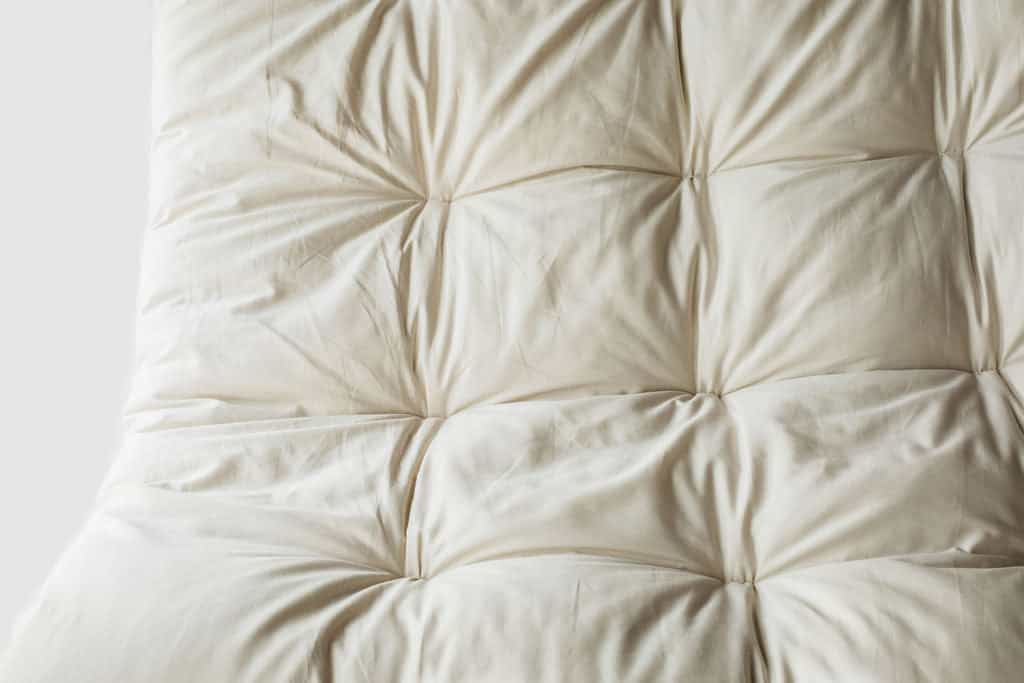
One example of a topper with clearly stated materials and care requirements is the All-Natural Quilted Topper. Its description identifies an organic cotton fabric and Premium Eco Wool fill, and notes that it is not machine washable, with spot cleaning and periodic sunning suggested. That care limitation is important information for anyone whose priority is frequent laundering. Product specifications can change, so confirm current details and care instructions before making a decision.
Build a bedroom routine around the whole environment
A topper is one layer in a bedroom, not a barrier against every source of allergens. If dust mites are a known concern, discuss an appropriate management plan with a healthcare professional. Practical household steps may include regular laundering of washable bedding, reducing persistent dampness, and keeping pets off the bed if pet allergens are a trigger. The best approach depends on the allergen and the person’s circumstances.
Pay attention to humidity and ventilation. Damp conditions can encourage mold growth, while bedding that remains wet after cleaning needs time to dry fully. Investigate leaks, condensation, or musty odors rather than trying to solve a moisture problem with a new topper. Vacuuming and dusting the bedroom can also help manage settled particles, though the methods used should suit the household and any advice from a clinician.
Keep expectations measured. A new layer may improve comfort or make a sleep surface easier to protect, but symptoms can persist for reasons unrelated to the topper. If a new product appears to trigger irritation, stop using it and seek appropriate advice. Retain the product’s materials and care information; those details may help clarify what changed.
Common mistakes to avoid
- Choosing by label alone. “Hypoallergenic” is not a guarantee of suitability or a substitute for full material details.
- Assuming natural means risk-free. Natural fibers can still be unsuitable for some individuals, and processing or construction varies.
- Confusing a removable cover with a washable topper. Check the instructions for both cover and fill.
- Ignoring drying requirements. A damp topper should not be returned to the bed; use the specified drying method and allow enough time.
- Overlooking sheet and protector fit. Added thickness can make a fitted sheet loose or place stress on its seams.
- Expecting a topper to fix the mattress or treat allergies. It can change comfort and support a care routine, but it cannot repair a failing mattress or diagnose a health condition.
The bottom line
The most useful allergy-sensitive mattress topper is not necessarily the one with the most reassuring label or the most elaborate material story. It is the one whose components are clearly identified, whose feel suits the sleeper, whose fit works with the bed, and whose care instructions can be followed consistently.
Compare wool, cotton, foam, and blended fills on their actual properties and limitations. Examine the cover, investigate washing and drying requirements, and consider how the topper fits into the wider bedding system. If allergy symptoms are a health concern, use bedding choices alongside—not instead of—qualified medical guidance. A calm, evidence-minded decision may not promise a perfect night, but it can make the bed easier to understand, easier to maintain, and better matched to the person sleeping in it.
Quick checklist before you choose
- Identify the comfort or maintenance problem the topper should address.
- Confirm the full list of fill and cover materials.
- Read the care instructions for both shell and core.
- Check whether a cover is removable and genuinely washable.
- Verify size, thickness, mattress depth, and attachment details.
- Treat allergy claims as claims to examine, not guarantees.
- Choose a routine you can maintain, and consult a healthcare professional about persistent symptoms.