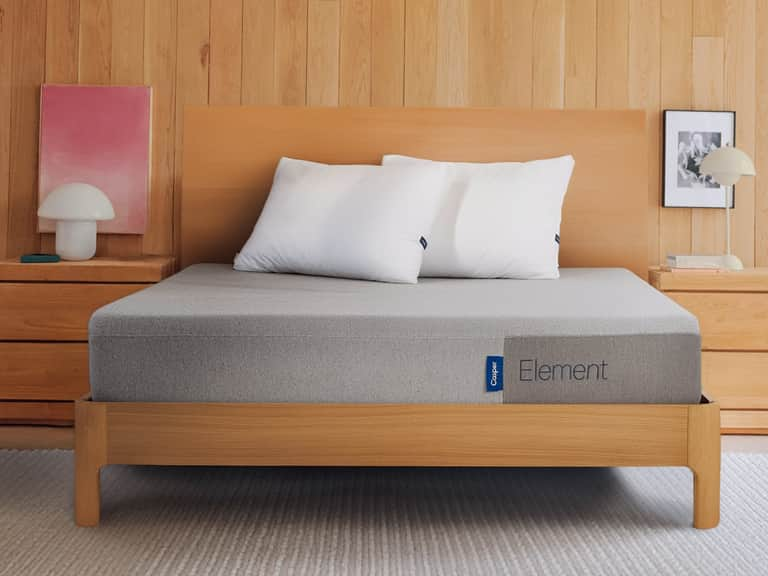
Foam mattresses use resilient foam layers to cushion the body and provide a stable sleep surface. Their construction can help distribute pressure and limit motion transfer, which may be useful for people sharing a bed. For those comparing hypoallergenic bedding, mattress materials and care guidance are important considerations, though no mattress can eliminate every allergen.
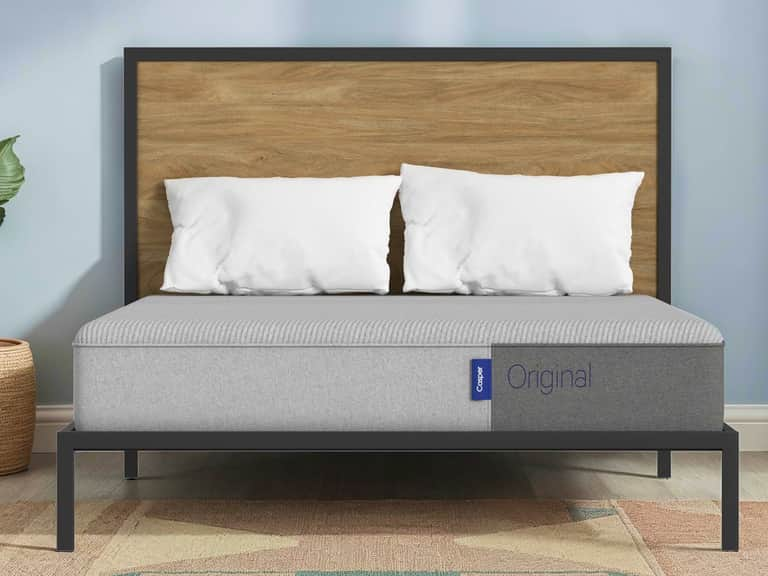
The Original Mattress is a foam mattress option intended to combine contouring comfort with supportive cushioning. Its foam construction adapts to body shape while helping reduce pressure at common contact points, such as the shoulders and hips. These characteristics can support comfortable sleep and make the mattress relevant to different sleeping positions and everyday needs.
The Element Mattress offers another foam-based sleep surface, with cushioning designed to balance comfort and support. Foam can absorb movement and provide a consistent feel across the sleeping area, which may benefit couples or light sleepers. Comparing the Element Mattress with the Original Mattress can help clarify preferences for firmness, contouring, and overall support.
Mattress comfort also depends on compatible bedding, including breathable sheets and appropriately fitted covers. Pillows affect head and neck alignment, while memory foam pillows provide contouring for people who prefer a closer-fitting feel. Organic mattresses are a separate category defined by their materials and certifications, so product details should be reviewed rather than assumed.
When evaluating foam mattresses, consider firmness, mattress dimensions, sleeping position, temperature preferences, and care requirements. A removable, washable cover can simplify routine maintenance when included, while a suitable bed frame supports stability. Reviewing material information and hypoallergenic claims helps set realistic expectations for a complete sleep setup with mattresses, sheets, and pillows.
 Mattresses